FREE ADMISSION
PARTICIPANTS:
Prof. Chavdar Popov, National Academy of Arts
Prof. Buyan Filchev, Sofia University "St. Kliment Ohridski"
Assoc. Prof. Elitsa Popova, Institute of Literature at the Bulgarian Academy of Sciences, Autonomous University of Barcelona
Moderator: Kiril Valchev, Director General of the Bulgarian Telegraph Agency (BTA)
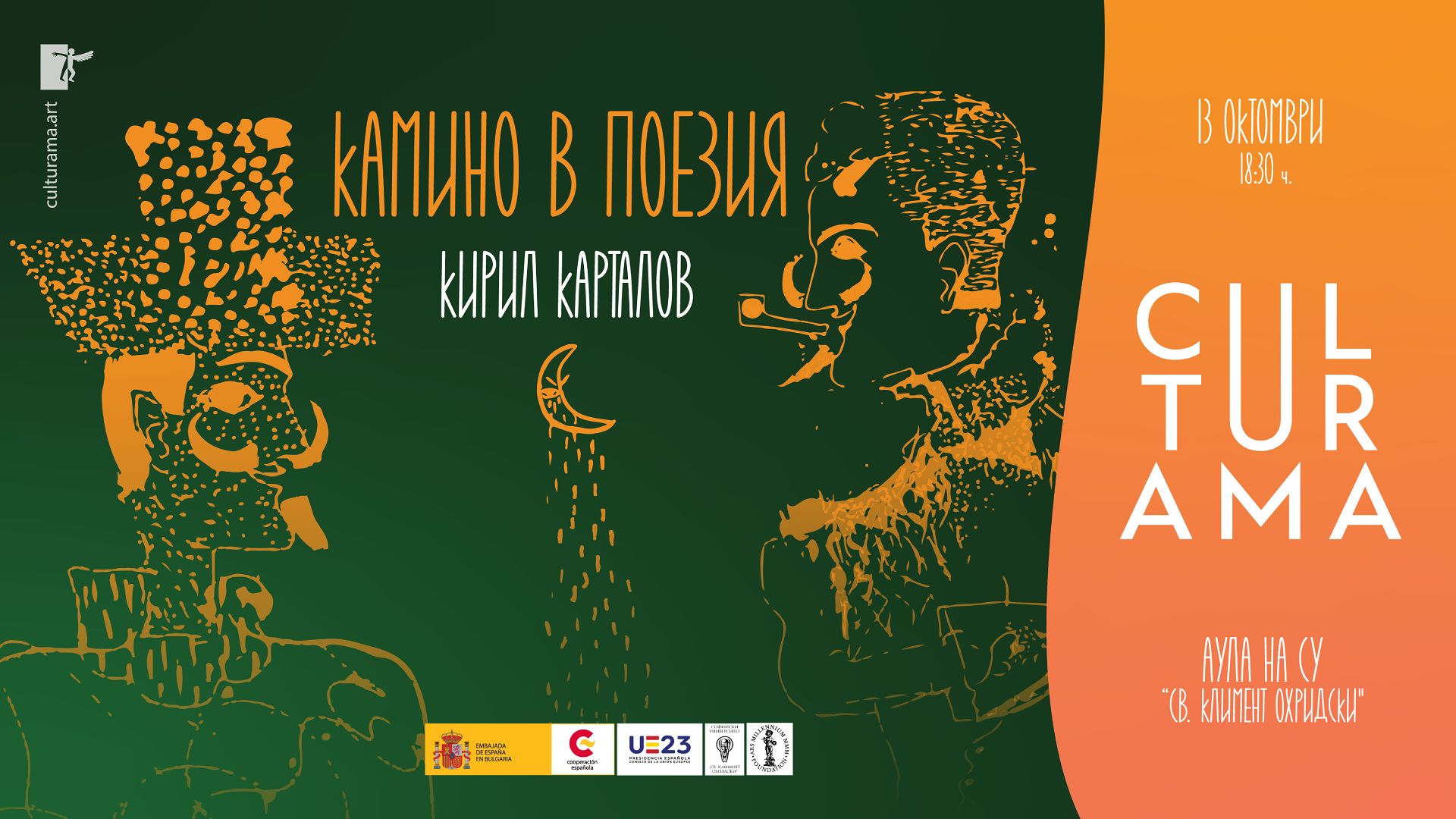
KAMINO IN POETRY
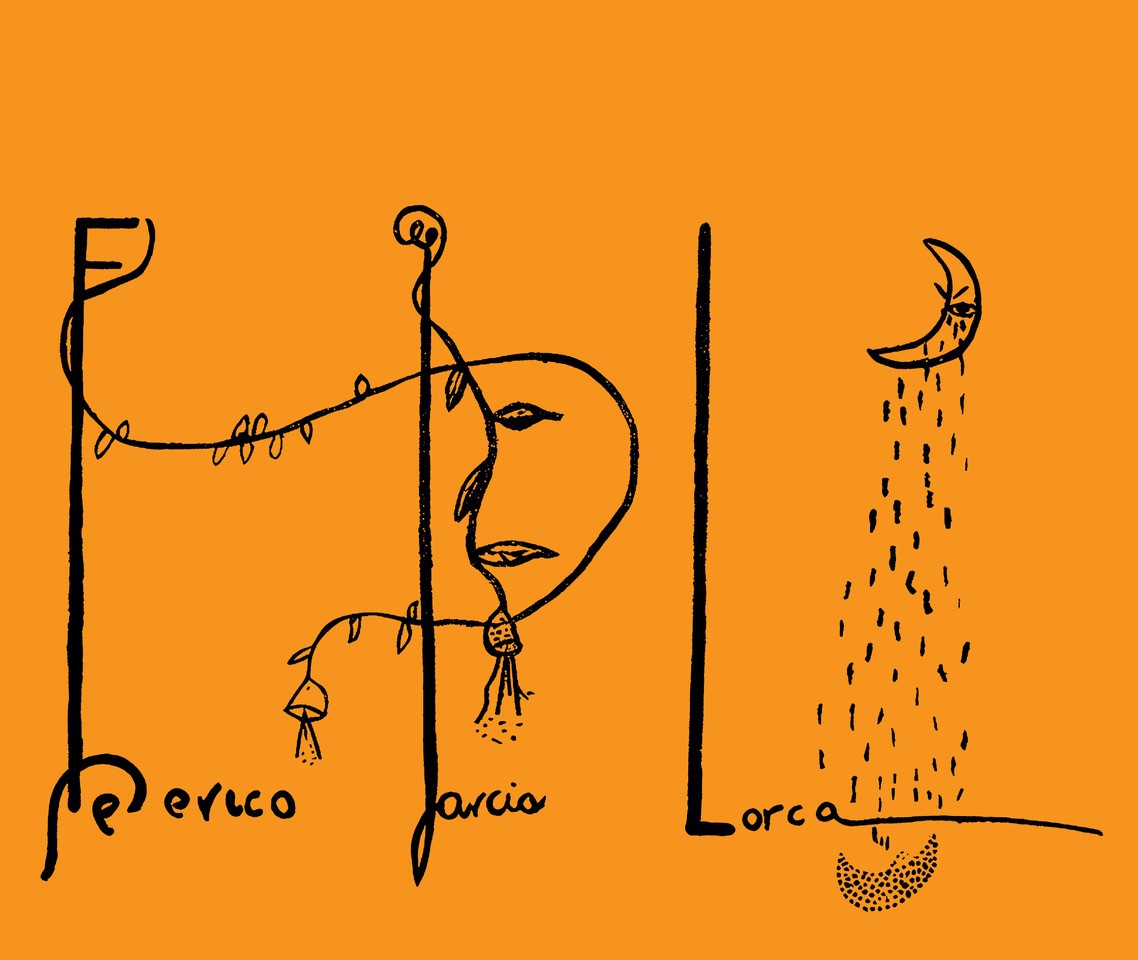
Among the most significant authors of literary works inspired by the Camino de Santiago is undoubtedly Federico García Lorca (1898–1936). Considered "the poet of the hot and fiery chords of his native Andalusia, of the existential despair of New York, of the aristocratic poetic form," he is the most prominent representative of the Spanish Generation of '27. His fame, fueled by the echoes of his untimely death, is due above all to his indisputable literary talent, which distinguished him early on in theater, prose, and poetry, even before his works, many of which remained unpublished, found publication. Lorca's interest and attraction to Galicia developed during several visits to Galician soil, which he made between the spring of 1932 and October 1933. His inexhaustible source of inspiration was the unique Galician sensibility – the soul of Galicia, which prompted him to write the remarkable Six Galician Songs, published in December 1935.
Kiril Kartalov, PhD
Doctor of Politics and Institutions at the Catholic University of Milan, where he teaches Cultural Diplomacy: Comparative Approaches, Actors, and Genres. Corresponding member of the Pontifical Committee for Historical Sciences in the Vatican, where he is a specialist on issues of peace, justice, and war. Lecturer in Papal Diplomacy at the Diplomatic Institute of the Bulgarian Ministry of Foreign Affairs. Associate professor at the Bulgarian Academy of Sciences. From 2013 to 2016, he was an advisor to the president of the Bulgarian Academy of Sciences. In 2019, he was an advisor to the apostolic nuncio on the occasion of Pope Francis' visit to Bulgaria and North Macedonia. He is the author and compiler of fundamental works of national and international significance in the field of diplomacy and the history of international relations, including "The Flowers of Nations. Pilgrims on the Road to Santiago" (2023), inspired by twelve different Caminos de Santiago.